
It's a New Path, A New Adventure: The Michael Sinclair Story
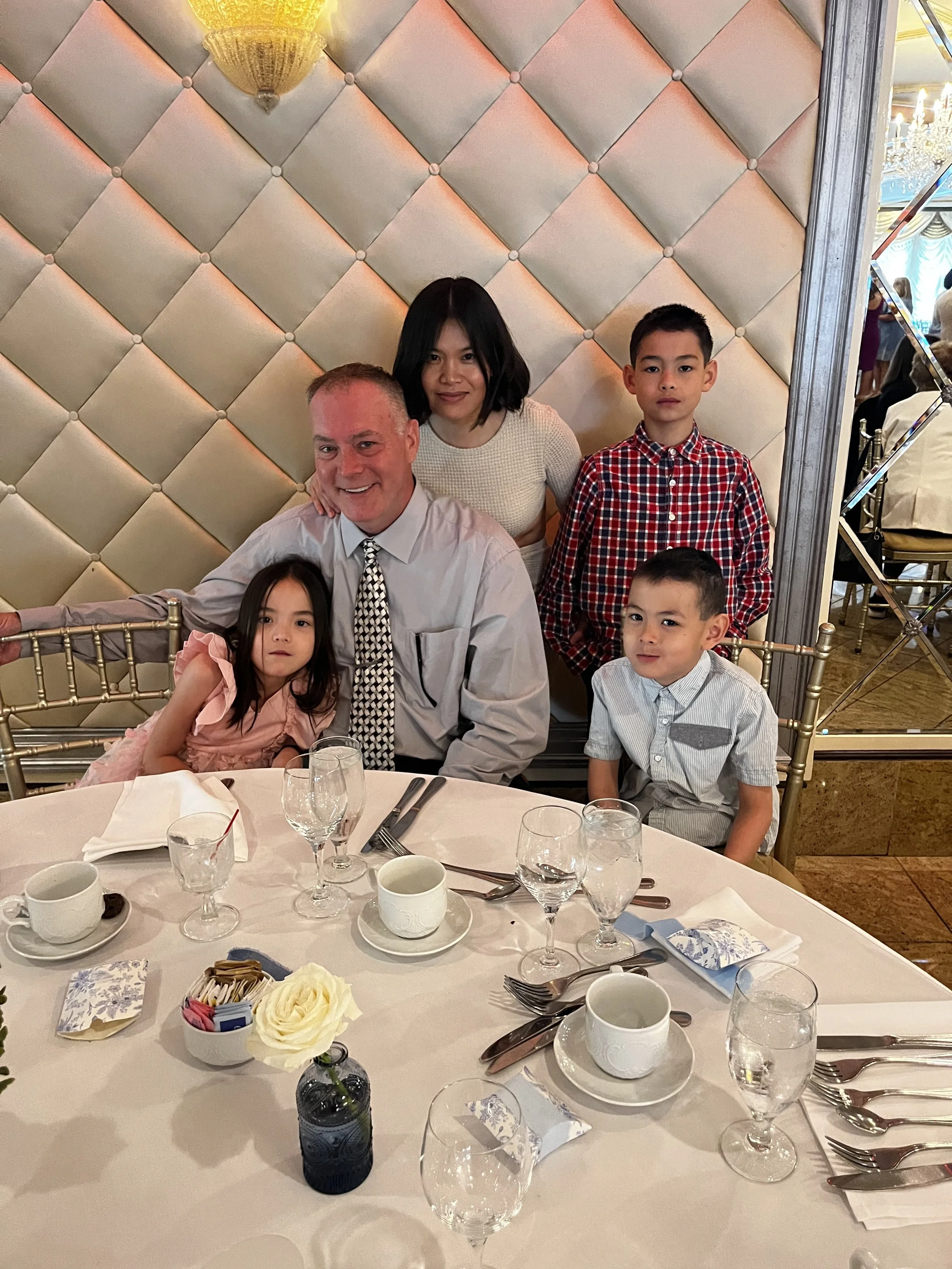
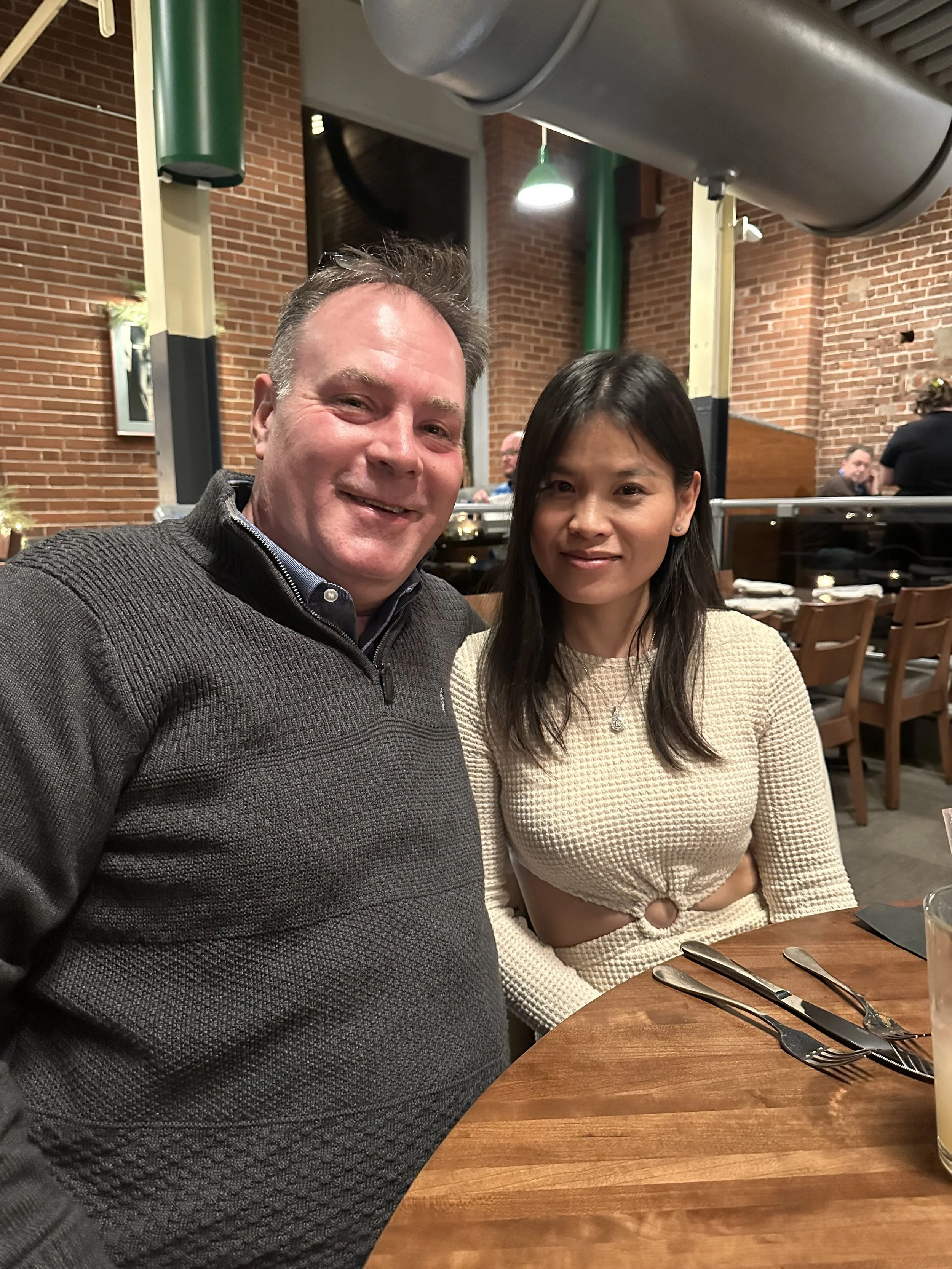
Before cancer, Michael Sinclair’s life was full, active, and comfortable.
He worked hard as an auto transport truck driver, hauling nine cars at a time. It was demanding, blue-collar work, but Michael was used to that. He took pride in being the provider for his family.
“We were doing good,” he said. “I worked a lot, made decent money, and I bought nice things.”
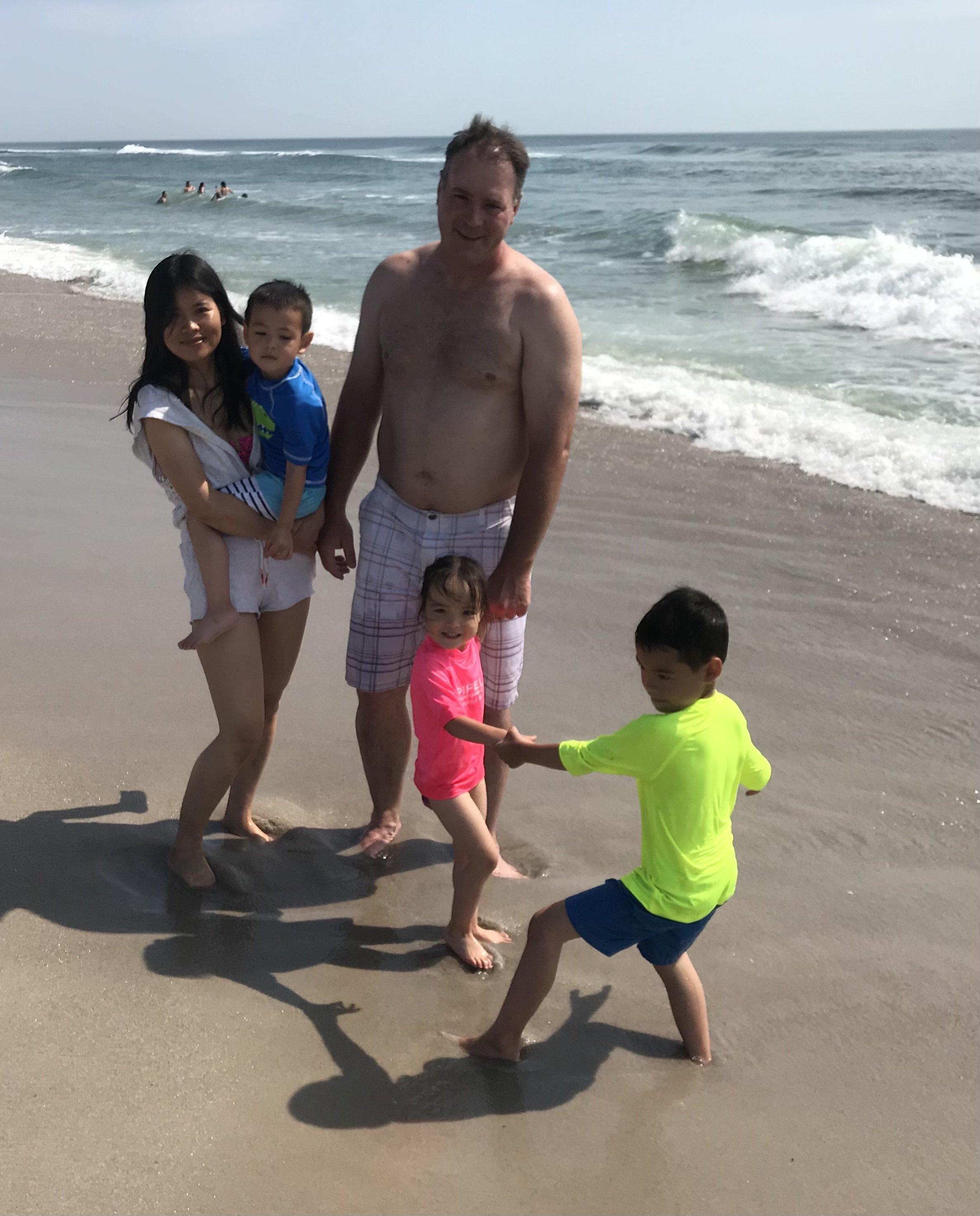
More than anything, life before cancer was busy and joyful. Michael and his wife are raising three young children, ages 8, 9, and almost 11. Their days were filled with activity.
“We have three little kids that love life,” Michael said. “They’re always active doing stuff.”
The family went roller skating, skiing, snowboarding, skateboarding, and dirt bike riding. Michael is an assistant coach for his oldest son’s soccer team.
“We do everything you can imagine,” he said.
If you would like to help a family like Michael’s, make your gift here.
So when the kids wanted to ride ATVs or dirt bikes, he planned a trip to an ATV park in the Poconos. “Then my truck broke down, and soon after, I got hit with cancer. Between treatment and the financial strain, I've had to put those plans on hold.”
Michael loves the ages his children are right now.
“They’re sweet, innocent kids still,” he said. “It’s little kids, little problems. I’m going with it.”
Then in one day everything changed.
For about two months, Michael had stomach pain. It was low in his abdomen, around his belly button. At first, he tried to push through it. He was not someone who went to the doctor easily.
“I only go to the doctors when I’m dying,” he said. “And it turned out that was literally the case.”
His wife, who was in nursing school at the time, kept telling him he needed to get checked. The pain had gone on too long. He could barely move.
Finally, they went to the emergency room. At first, doctors thought it could be appendicitis or another issue. Then someone came into the room, shut the door, and sat down. Michael looked at his wife and knew.
“This is not good,” he remembered thinking. “They don’t do this when it’s just a common cold.”
The doctors told him it was cancer.
Michael was quickly referred to the cancer center, where he learned more. Fluid had built up around his intestines, creating painful pressure in his abdomen. Doctors later found a tumor in his esophagus.
The diagnosis was stage 4 esophageal cancer. Michael said his cancer is higher in the esophagus, so he had not felt the kind of symptoms many people might expect. He was not having trouble swallowing or breathing. The stomach pain is what sent him to the hospital, and that pain led doctors to discover the tumor.
“I didn’t even know there was a problem there,” he said.
The news was devastating. Michael was told that without treatment, he may have only three to six months to live.
“I had a lot of plans,” he said. “I didn’t know about this.”
He was diagnosed in the fall of 2025. Within months, “life took a complete 180,” he said.
Michael had to stop working. Chemotherapy became constant. The first treatment helped for a while, and the fluid in his stomach went away quickly. For a time, the cancer numbers were improving.
Then they started climbing again. “It was getting aggressive,” he said.
Michael is now on another treatment, and the numbers are beginning to come back down. He and his family are still fighting.
“We’re not quitters,” he said. “We’re definitely fighting it.”
But the fight has been hard. Chemo brought neuropathy in his hands and feet. At times, touching anything cold felt like pins and needles shooting through his fingers, lips, tongue, and throat. He has experienced body pain, discomfort, fatigue, and chemo brain.
“There were times when I couldn’t function at all,” he said. “My chemo brain is so bad sometimes I can’t remember what I was saying or doing two minutes ago.”
Your support allows Vickie’s Angel Foundation to provide help when families need our help the most. Make your gift here.
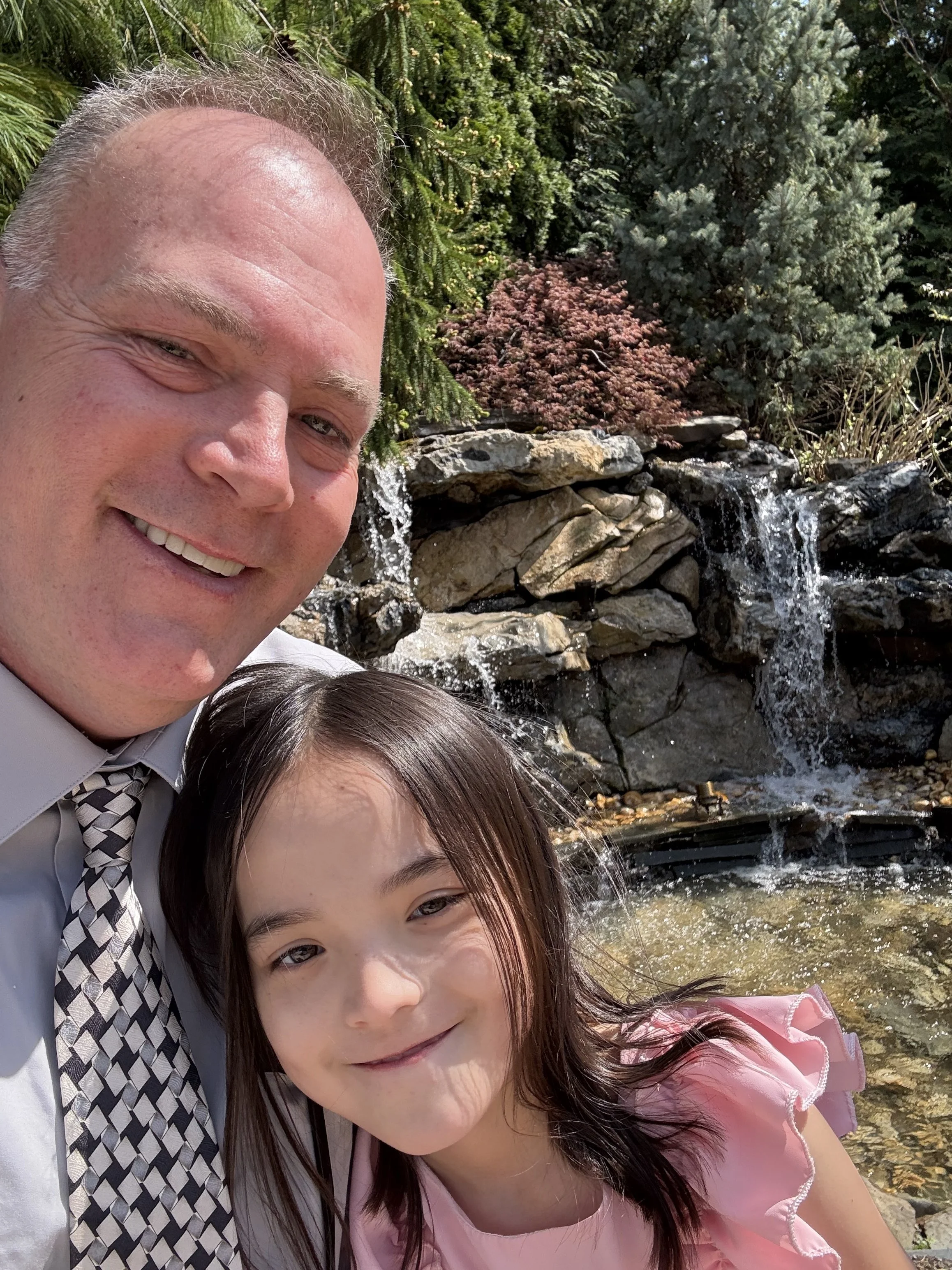
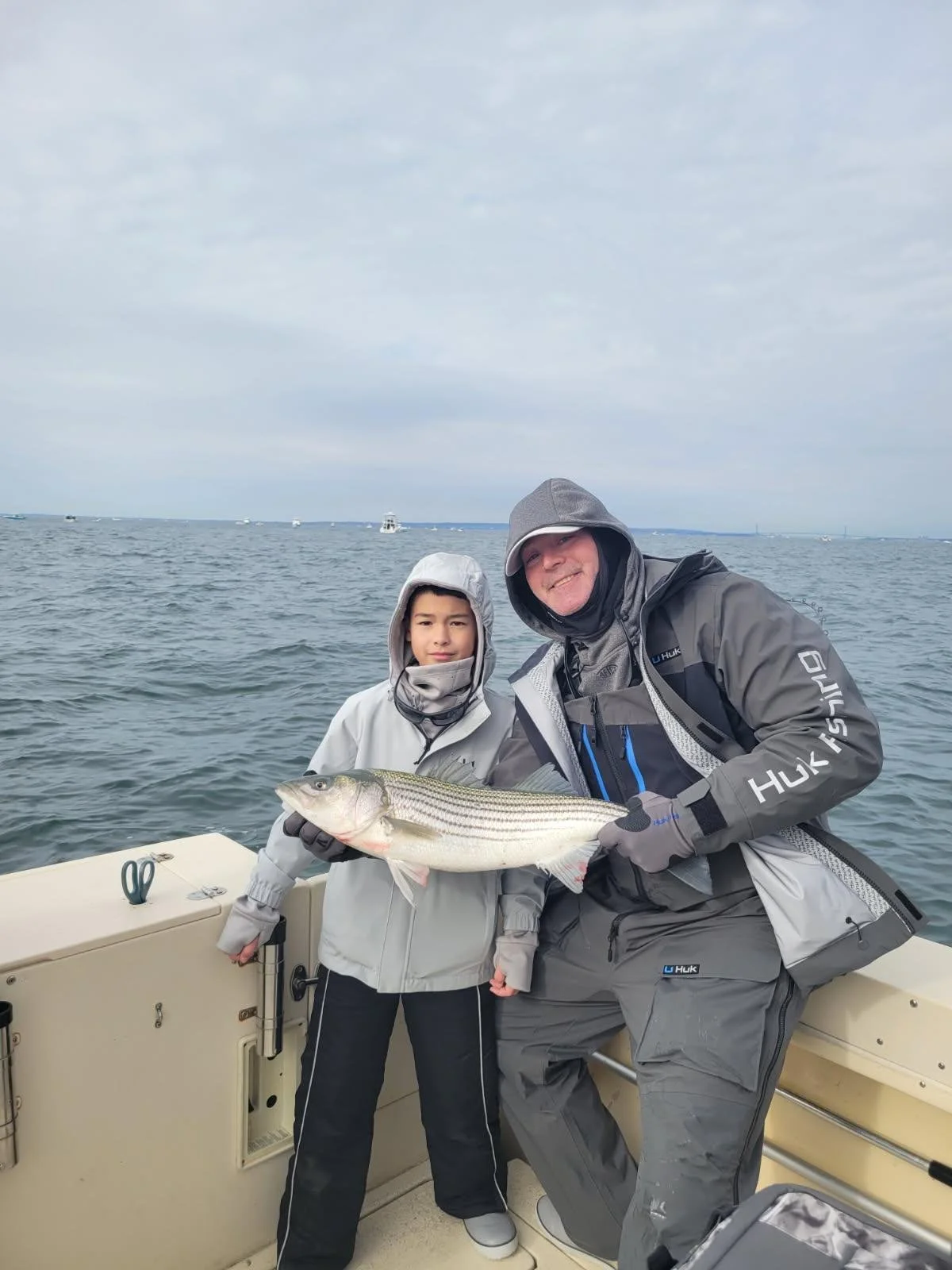
The physical toll was only part of it. Michael had always been the provider. Suddenly, he could not work. The family had bills to pay, children to care for, and no steady income coming in while they waited for Social Security Disability to be approved.
Friends and family stepped in first, creating a GoFundMe that raised $10,000. Michael said they lived on that for the first four months. But then that money was gone. The bills were still there.
Rent was due. Car payments were due. Groceries were needed. The children’s activities had to be cut back. Vacations were no longer possible.
Before cancer, Michael said, if the family wanted something, they bought it. Now they look for clearance items and buy off-brand groceries.
“You gotta do what you gotta do,” he said.
Just a few months before his diagnosis, when life still felt normal, Michael had purchased another car. At the time, the payment was manageable. After cancer, it became one more overwhelming bill.
“Everything just happened at the wrong time,” he said.
That is when Michael learned about Vickie’s Angel Foundation through a social worker at the cancer center. Vickie’s Angel Foundation helped his family with rent and car payments, giving them relief at a time when they were running out of options.
“If it wasn’t for Vickie’s Angel Foundation, we’d be on the streets right now,” Michael said.
For Michael, asking for help was one of the hardest parts of the journey.
“I never asked for help from anybody,” he said. “It’s just not me, not my character.”
He said if a cashier gave him the wrong change at a store, he would go back in and return it. That is who he is. So when his family needed help, he struggled to even say the words.
But Vickie’s Angel Foundation made it easier.
“They were so kind and concerned,” Michael said. “They really made us feel like family. They really connected with us.”
He remembers that first phone call clearly. He was emotional. He did not know how to ask for what his family needed.
“They noticed that right away,” he said. “And they literally took the reins.”
Instead of making him feel embarrassed or uncomfortable, they listened. They understood the crisis his family was facing. They asked how they could help. Then they followed through.
“They didn’t hesitate,” Michael said. “It was literally a blessing. It was such a relief. I was like, ‘Oh my God, we’re gonna pay rent this month.’”
That help meant more than paying a bill.
It meant Michael could breathe.
It meant his family could stay in their home.
It meant they could keep transportation.
It meant he could focus on treatment, his wife, and their three children instead of carrying the full weight of financial fear alone.
“For somebody like me, that takes care of the family, the sole provider and all that, this is very hard,” he said. “As a father of three young kids, I’m like, what am I gonna do?”
Michael thinks about his children every day. When asked how he stays motivated on the hard days, his answer was immediate.
“Oh, my kids,” he said. “That’s all I need.”
There is hope in his story, too.
Your gift today can provide hope, relief, and support to another family walking this difficult journey. Please consider making a donation and helping us continue to say “yes” when families call for help.
Michael’s wife recently graduated from nursing school. She has a job lined up and is preparing to take her final test for the nursing program. Social Security Disability has now started. Their family is beginning to get more situated.
Michael said that when Vickie’s Angel Foundation checks in with them again, he may be able to say they no longer need help.
That matters to him.
He is grateful that Vickie’s Angel Foundation was there to help.
“When life comes at you like that, you don’t know what to do,” he said.
Michael said hope, to him, changed after the diagnosis. At first, he thought his life was over. He worried his children would grow up without him. Then he passed the three-to-six-month mark.
“I was like, well, I’m still here,” he said. “So maybe they’re wrong. They’re not right all the time.”
Hope also came through the people who stepped in when everything felt dark.
“Hope for me is seeing the work of Vickie’s Angels and the way they do what they do,” Michael said. “It’s amazing.”
He described Vickie’s Angel Foundation as a guiding light.
“When everything was gone, everything was getting dark, I didn’t know what was gonna happen,” he said. “Right when things were at their worst, that’s when we were told about Vickie’s Angel Foundation.”
“They are a guiding light for us,” he said. “That literally gave us the hope, the green light, the ability to keep going.”
Michael knows his life will not look exactly the way it did before cancer. There are changes his family has had to make. There are limits now. There are hard days.
But he wants others facing cancer to know that the diagnosis is not the end of the story.
“I thought it was all over, but it’s just the beginning, really,” he said. “It’s a new path, a new adventure.”
His message to others is to stay positive, take the help that is offered, and keep moving forward.
“Life is not gonna be the same,” Michael said. “There’s gonna be a lot of changes, but you just gotta adapt to it and keep pushing forward.”
For Michael Sinclair, that means continuing treatment.
It means being there for his wife.
It means coaching soccer.
It means making memories with his children.
And it means holding onto hope.
“We’re gonna keep fighting,” he said. “We’re not quitting.”
Vickie’s Angel Foundation is a 501 (c)(3) nonprofit dedicated to providing a temporary financial bridge to help families battling cancer. We provide financial support for essential, non-medical needs such as rent, mortgage payment, utilities, transportation, and food. The foundation operates in an effort to remove the toxic stress of unpaid bills so the individual and their family can focus on their health. Through community-driven fundraising events, corporate partnerships, and generous individual donations, Vickie’s Angel Foundation ensures that 100% of donations directly support families in need. Guided by the values of love, faith, and hope, the foundation has touched thousands of lives by offering not only financial relief but also compassion and encouragement during some of life’s most difficult moments.
In order to give 100% to those in need, we are supported by Guardian Angels.
For many years, Charity Navigator has consistently rated us a four-star charity. As the foremost nonprofit evaluator globally, Charity Navigator has scrutinized close to 200,000 charities, evaluating their financial stability, commitment to best practices, as well as their accountability, transparency, and impact. Check out our profile here.